


Why Early Childhood Education Matters: Building the Foundation for Lifelong Success

8
Jan
2026

Why Early Childhood Education Matters: Building the Foundation for Lifelong Success
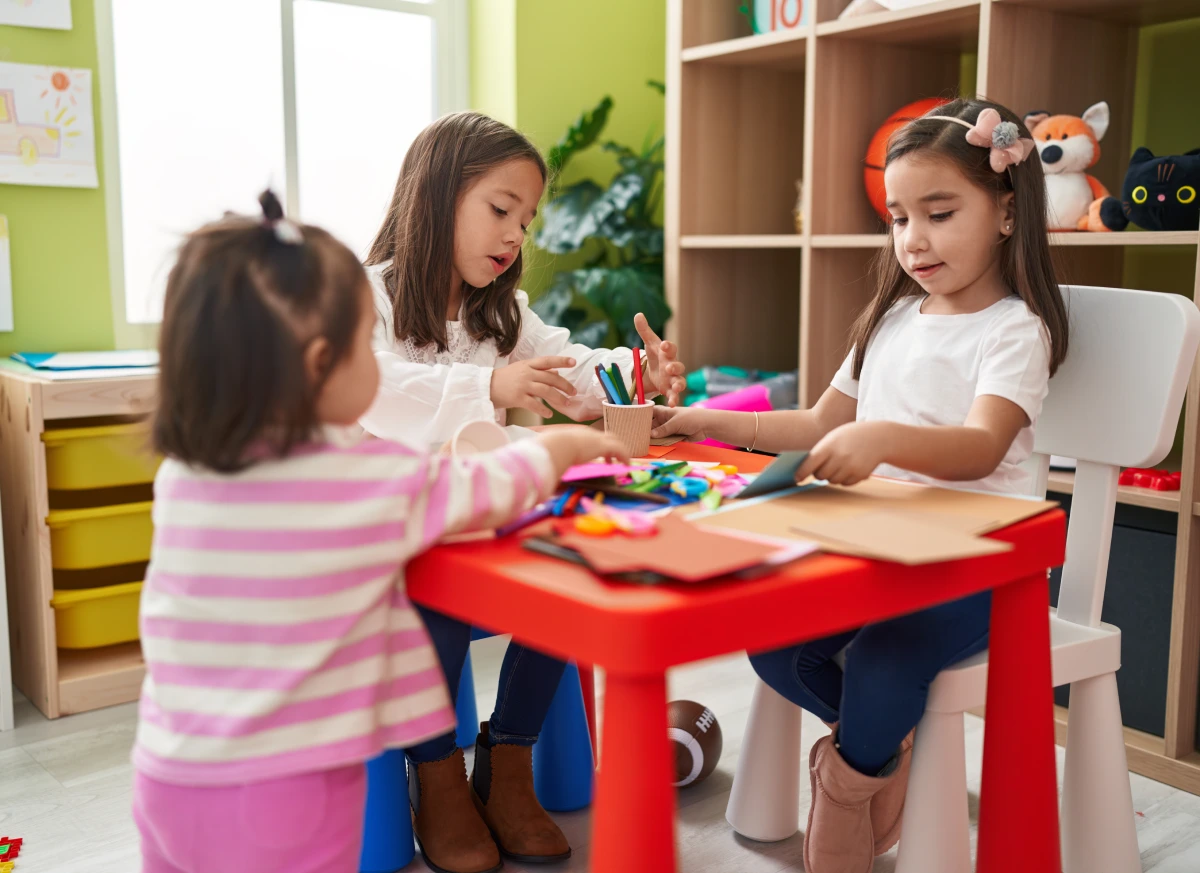
The First Five Years Shape a Child’s Future

The early years of a child’s life are often described as the most important stage of development. During this period, children experience rapid growth in their cognitive, emotional, social, and physical abilities. Research shows that nearly 90% of a child’s brain development occurs before the age of five, making early childhood education a crucial investment in their future.

At Shiny Kids Yard (SKY Preschool), we believe that quality early childhood education lays the foundation for lifelong learning, confidence, and success. Through engaging activities, meaningful interactions, and a nurturing environment, children develop essential skills that help them thrive both in school and in life.

What Is Early Childhood Education?

Early Childhood Education (ECE) refers to the learning experiences provided to children from birth to around eight years of age. It focuses on supporting a child’s overall development during their formative years.

ECE is not simply about teaching children to read and write. It is about helping them develop:

  • Social skills
  • Emotional intelligence
  • Communication abilities
  • Creativity
  • Problem-solving skills
  • Physical coordination
  • Independence and confidence

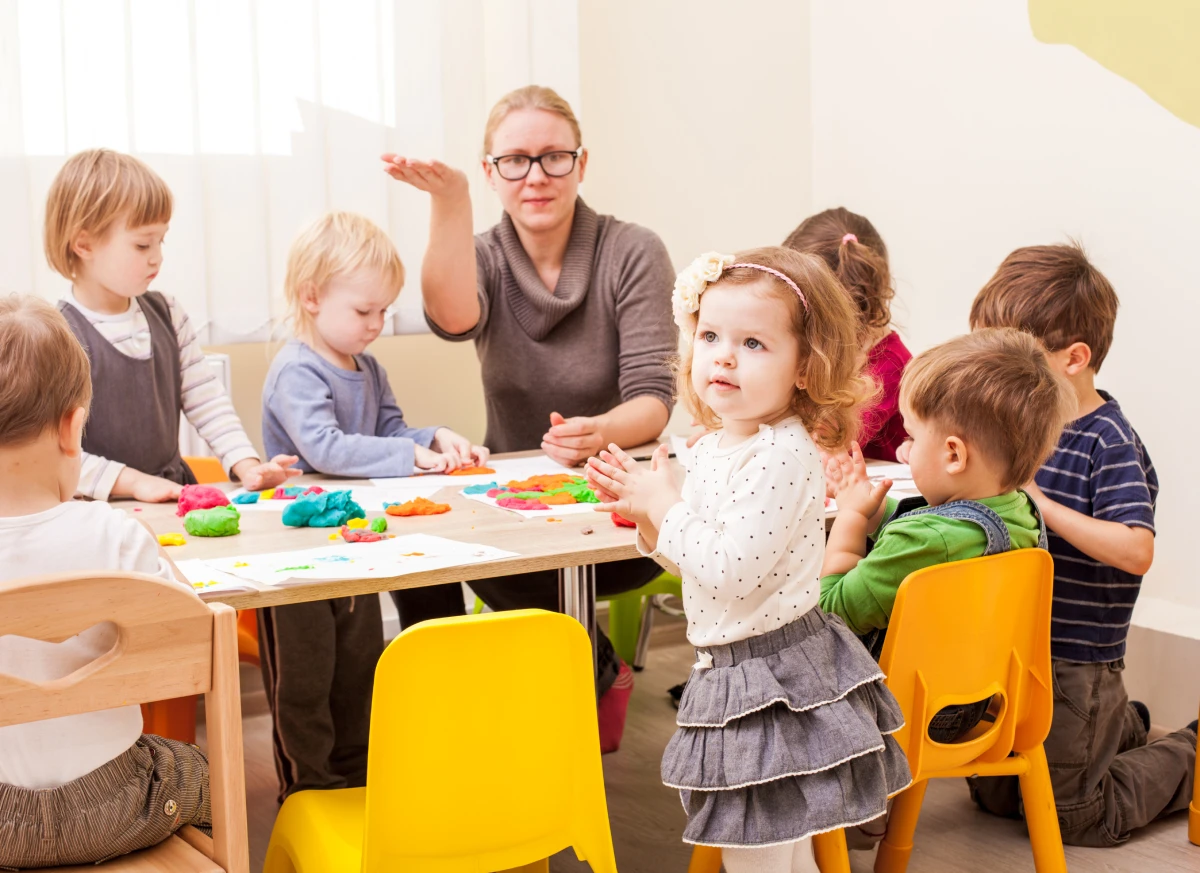
A well-designed preschool program creates opportunities for children to explore, discover, and learn through play and hands-on experiences.

“The child is both a hope and a promise for mankind.”

— Dr. Maria Montessori

Why Are the Early Years So Important?

Brain Development Happens Rapidly

Young children absorb information like sponges. Every interaction, experience, and activity helps build neural connections that influence future learning.

Positive learning experiences during early childhood:

  • Improve memory and concentration
  • Strengthen language development
  • Enhance problem-solving abilities
  • Foster creativity and imagination

Social and Emotional Growth

Preschool provides children with opportunities to interact with peers and adults outside their family environment.

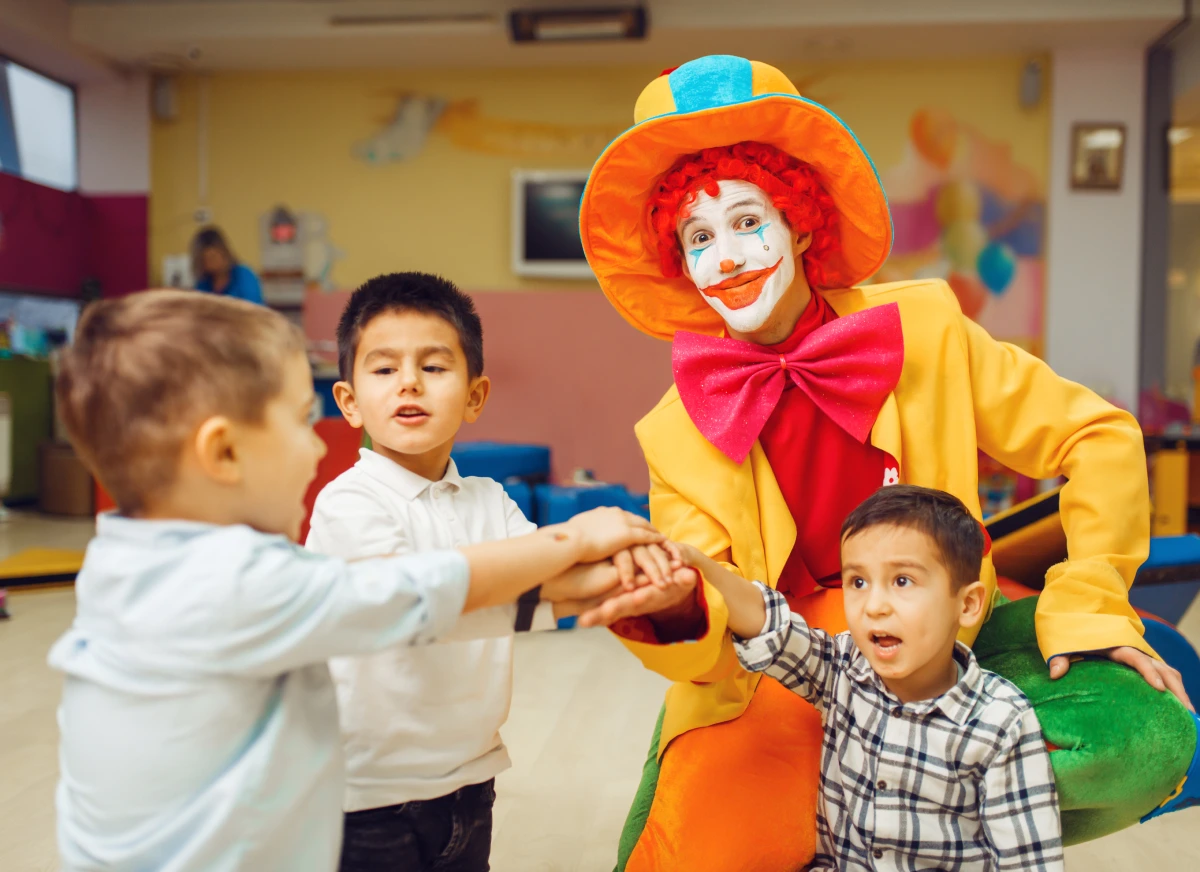
Through group activities, children learn:

  • Sharing and cooperation
  • Empathy and kindness
  • Respect for others
  • Conflict resolution
  • Emotional regulation

These skills play a vital role in building healthy relationships throughout life.

Building Confidence Through Learning

Confidence begins when children are encouraged to explore and succeed independently.

At preschool, children are given opportunities to:

  • Make choices
  • Complete tasks independently
  • Express their ideas
  • Participate in group activities

Every achievement, no matter how small, contributes to a child’s self-esteem and willingness to try new things.

The Role of Play in Learning

Children learn best when they are actively engaged and having fun.

Play-based learning helps children:

  • Develop creativity
  • Improve communication
  • Strengthen motor skills
  • Build problem-solving abilities
  • Explore their interests

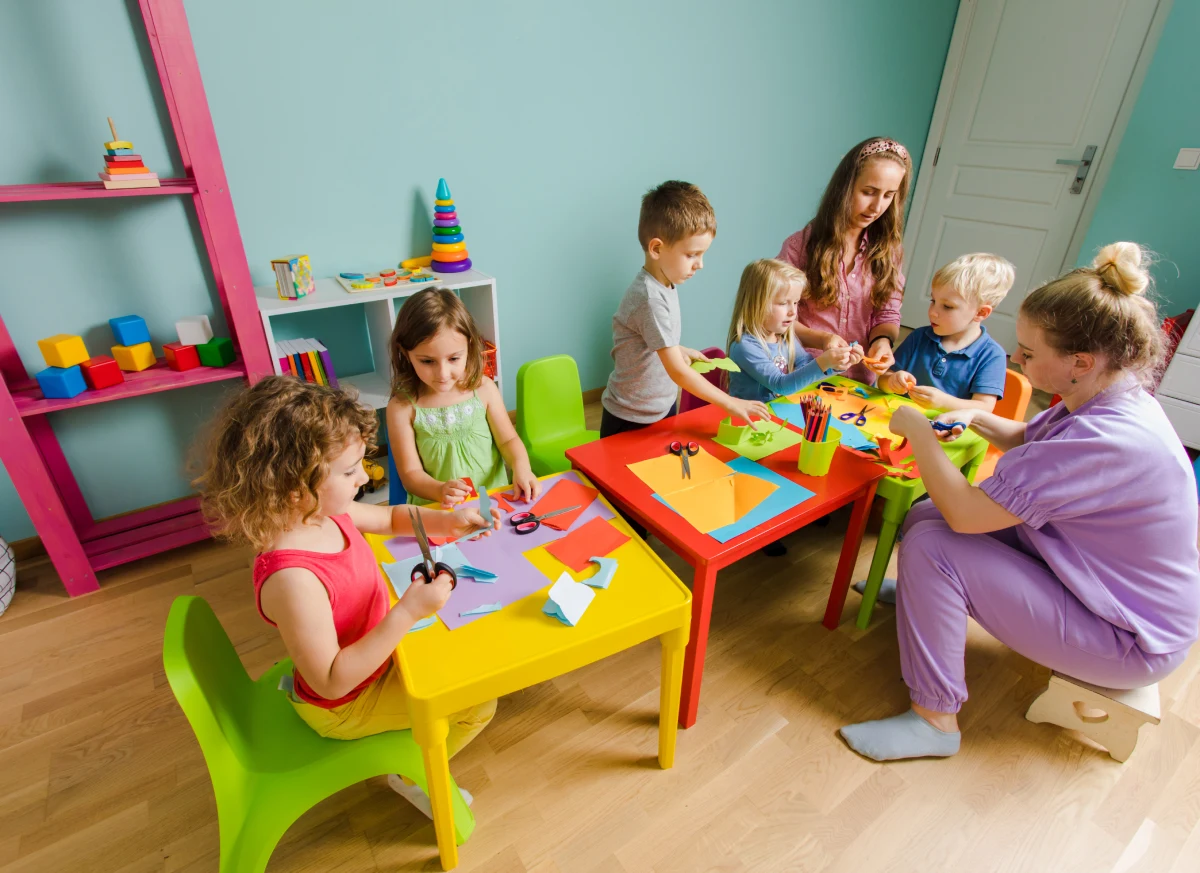
Whether it is building with blocks, storytelling, art activities, or outdoor play, every experience becomes an opportunity for learning.

Preparing Children for School and Beyond

Early childhood education helps children develop the skills needed for a smooth transition into primary school.

Preschool readiness includes:

  1. Following instructions

  2. Listening attentively

  3. Working independently

  4. Collaborating with others

  5. Managing routines

Children who attend quality preschool programs often enter school with greater confidence and enthusiasm for learning.

The Importance of Creativity in Early Education

Creativity is much more than drawing or painting. It involves imagination, innovation, and flexible thinking.

Creative activities encourage children to:

  • Explore new ideas
  • Solve problems independently
  • Express emotions
  • Develop confidence

In today’s world, creativity is considered one of the most valuable skills for future success.

How Parents Can Support Early Learning at Home

Parents play a significant role in reinforcing learning experiences outside the classroom.

Simple ways to support development include:

  1. Reading together daily

  2. Encouraging questions

  3. Providing opportunities for creative play

  4. Limiting excessive screen time

  5. Celebrating effort and progress

  6. Spending quality time together

When home and school work together, children benefit from a consistent and supportive learning environment.

Why Choose a Quality Preschool?

A quality preschool provides:

  • Safe and nurturing surroundings
  • Experienced educators
  • Structured learning opportunities
  • Play-based activities
  • Social interaction
  • Individual attention

These experiences help children build strong foundations that support future academic achievement and personal growth.

How SKY Preschool Supports Holistic Development

At Shiny Kids Yard (SKY Preschool), our programs are designed to nurture every aspect of a child’s development.

We focus on:

  • Early literacy and language skills
  • Creativity and imagination
  • Physical development
  • Social and emotional learning
  • Moral values and discipline
  • Confidence and independence

Through our caring environment and child-centered approach, we help children become happy, curious, and lifelong learners.

Final Conclusion 

Early childhood education is one of the greatest gifts parents can give their children. The experiences, relationships, and skills developed during the early years have a lasting impact on future success and well-being.

By investing in quality preschool education, parents provide children with the confidence, curiosity, and capabilities they need to thrive in school and beyond.

At Shiny Kids Yard (SKY Preschool), we are proud to partner with families in creating strong foundations for bright futures.

Leave A Comment

Cart (0 items)