



Building Creativity Through Fun Activities: How Montessori Methods Help Children Grow, Imagine, and Thrive

Building Creativity Through Fun Activities: How Montessori Methods Help Children Grow, Imagine, and Thrive
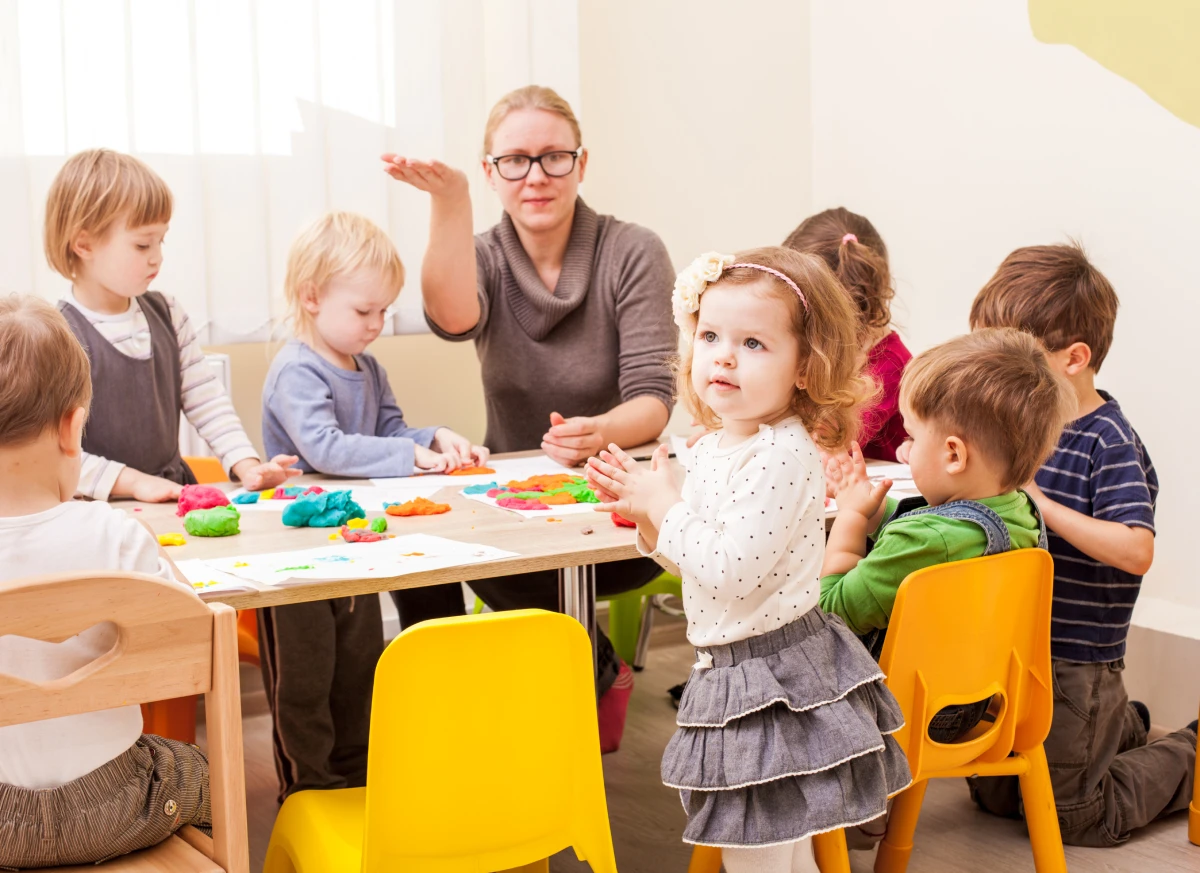
Creativity is one of the most valuable skills a child can develop during their early years. It fuels curiosity, encourages problem-solving, strengthens communication, and builds confidence. In today’s rapidly changing world, creative thinking is just as important as academic achievement.

At Shiny Kids Yard (SKY Preschool), we believe that children learn best when they are actively engaged in meaningful, hands-on experiences. Through fun activities, exploration, and guided discovery, children develop the confidence to express themselves while nurturing their imagination and creativity.

One educational philosophy that has significantly influenced modern early childhood education is the Montessori Method. Developed over a century ago by Dr. Maria Montessori, this child-centered approach continues to inspire schools worldwide and has evolved to meet the needs of today’s learners

Pellentesque sollicitudin congue dolor non aliquam. Morbi volutpat, nisi vel ultricies urnacondimentum, sapien neque lobortis tortor, quis efficitur mi ipsum eu metus. Praesent eleifend orci sit amet est vehicula.

Understanding the Montessori Method

The Montessori Method was developed by Italian physician and educator Dr. Maria Montessori in the early 1900s. Her approach was based on the belief that children learn naturally when provided with the right environment, freedom to explore, and opportunities for self-directed learning.

Unlike traditional classrooms where teachers lead most activities, Montessori classrooms encourage children to:

  • Learn through hands-on experiences
  • Explore independently
  • Make choices based on their interests
  • Develop practical life skills
  • Learn at their own pace
  • Collaborate with peers

The Montessori philosophy views every child as naturally curious, capable, and eager to learn.

How Montessori Activities Foster Creativity

1. Encouraging Imagination Through Open-Ended Play

Montessori-inspired activities often involve materials that can be used in multiple ways. Instead of giving children a single solution, they are encouraged to explore possibilities.

Activities include:

  • Building with blocks
  • Storytelling
  • Pretend play
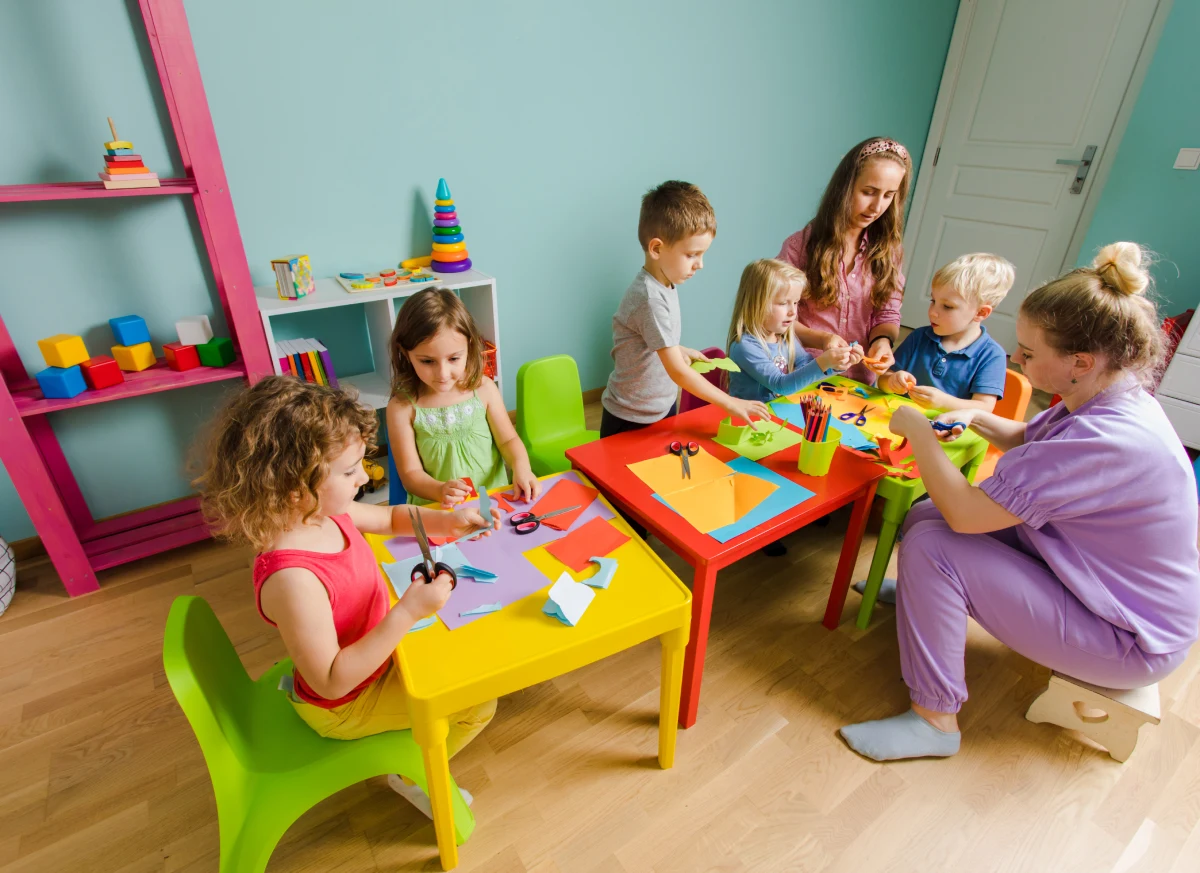
  • Art and craft projects
  • Nature exploration

These activities allow children to think independently, imagine new scenarios, and create original ideas.

2. Hands-On Learning Enhances Problem Solving

Children learn best when they can touch, manipulate, and experiment with materials.

Montessori activities such as:

  • Sorting objects
  • Puzzle solving
  • Matching games
  • Sensory exploration

help children develop critical thinking skills while encouraging creative approaches to solving problems.

3. Building Confidence Through Independence

One of the most remarkable aspects of Montessori education is its focus on independence.

Children are encouraged to:

  • Choose activities
  • Complete tasks independently
  • Make decisions
  • Learn from mistakes

As children successfully complete activities on their own, they gain confidence in their abilities, which encourages further creativity and exploration.

Communication Skills Through Creative Activities


Creative activities provide children with countless opportunities to express themselves.

Storytelling

Storytelling allows children to:

  • Expand vocabulary
  • Improve language skills
  • Express emotions
  • Develop listening skills

Role Play

Pretend play activities encourage children to:

  • Practice social interactions
  • Develop empathy
  • Improve communication skills
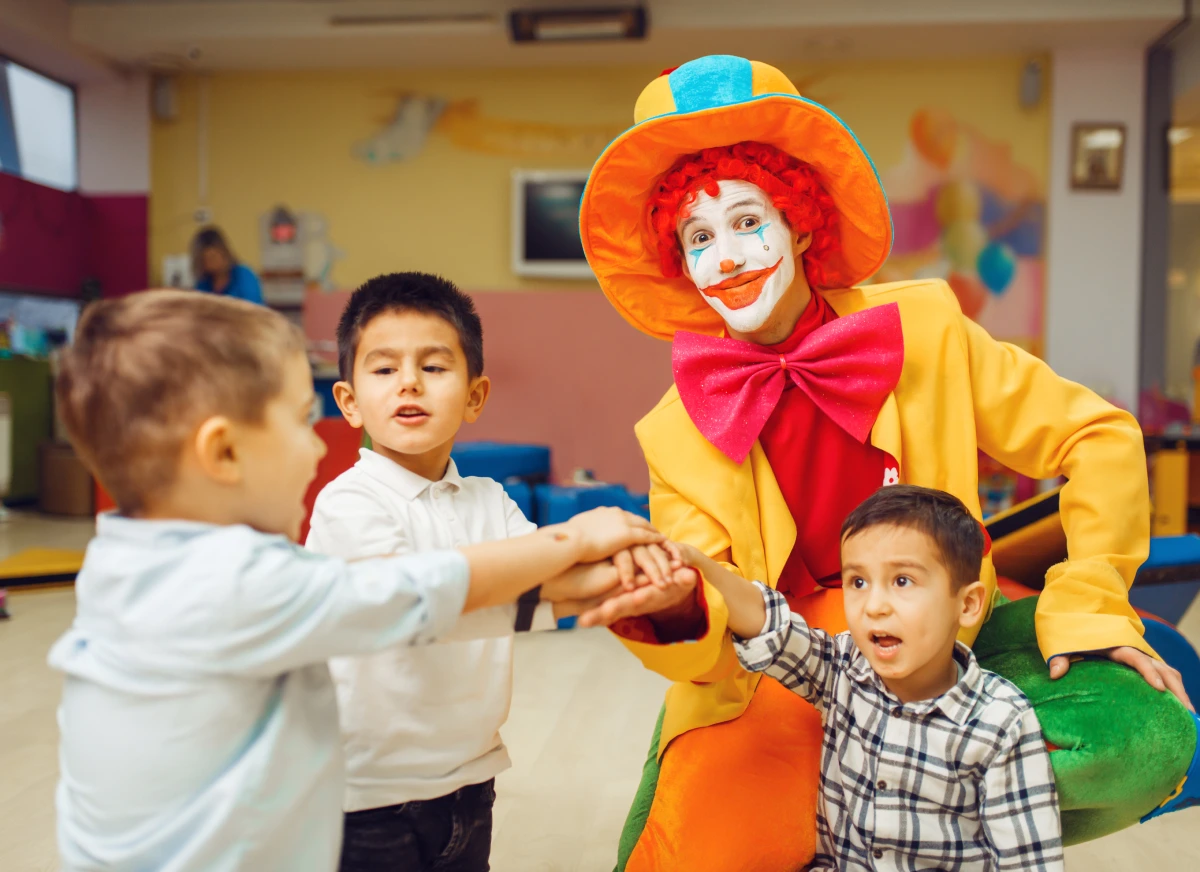
  • Build confidence speaking in groups

Group Activities

Collaborative projects teach children:

  • Teamwork
  • Sharing ideas
  • Respecting others’ opinions
  • Leadership skills

These experiences help children become confident communicators from an early age.

How Montessori Education Has Evolved Over the Years

While the core principles of Montessori education remain unchanged, the method has adapted significantly over the years to incorporate modern educational research and child development studies.

Early Montessori Classrooms

In the early 1900s, Montessori classrooms focused primarily on:

  • Practical life skills
  • Sensory development
  • Language
  • Mathematics

The emphasis was on structured learning materials and individual exploration.

Modern Montessori Education

Today’s Montessori-inspired programs integrate:

Technology Awareness

Age-appropriate digital literacy is introduced carefully while maintaining hands-on learning experiences.


STEAM Learning

Science, Technology, Engineering, Arts, and Mathematics activities are incorporated to encourage innovation and creativity.

Social-Emotional Learning

Modern Montessori programs place greater emphasis on emotional intelligence, mindfulness, and self-awareness.

Collaborative Learning

Children participate in group projects and social learning experiences while maintaining individual learning paths.

Inclusive Education

Contemporary Montessori classrooms are designed to support diverse learning styles and individual developmental needs.

Benefits Supported by Research

Research conducted over several decades has highlighted numerous benefits of Montessori-based learning environments.

Studies indicate that children educated through Montessori-inspired approaches often demonstrate:

  • Higher levels of creativity
  • Stronger problem-solving abilities
  • Better social skills
  • Improved concentration
  • Greater independence
  • Enhanced communication skills
  • Increased self-confidence
  • Positive attitudes toward learning

Many educational researchers attribute these outcomes to the child-centered, hands-on nature of Montessori education.

Fun Classroom Activities That Promote Creativity

At SKY Preschool, we incorporate many creative learning experiences inspired by modern early childhood education principles.

Art and Craft Activities

Children explore colors, textures, shapes, and materials while expressing their creativity.

Story Creation

Children invent stories, create characters, and develop their imagination through guided storytelling.

Music and Movement

Songs, dance, rhythm games, and musical activities help children express emotions and build confidence.

Nature Exploration

Outdoor learning encourages observation, curiosity, and environmental awareness.

Building and Construction Activities

Blocks, puzzles, and creative construction activities develop problem-solving and spatial awareness.

Sensory Play

Hands-on sensory experiences stimulate creativity while supporting cognitive development.

The Role of Parents in Supporting Creativity

Creativity doesn’t stop at school. Parents play a vital role in nurturing imagination at home.

Simple ways to encourage creativity include:

  • Reading together daily
  • Encouraging open-ended play
  • Allowing children to make choices
  • Providing art materials
  • Exploring nature
  • Asking thoughtful questions
  • Celebrating effort rather than perfection

When children feel supported and encouraged, their confidence and creativity flourish.

Synapsis of the article 

Creativity is not just about art—it is about thinking, exploring, solving problems, communicating ideas, and building confidence. Montessori-inspired learning methods have demonstrated for over a century that children thrive when they are given the freedom to discover, create, and learn through meaningful experiences.

At Shiny Kids Yard (SKY Preschool), we are committed to providing a nurturing and engaging environment where every child can develop their imagination, communication skills, confidence, and love for learning through fun and purposeful activities.

Because when creativity is encouraged in childhood, it becomes a foundation for lifelong success.

Cart (0 items)